Off-Plan
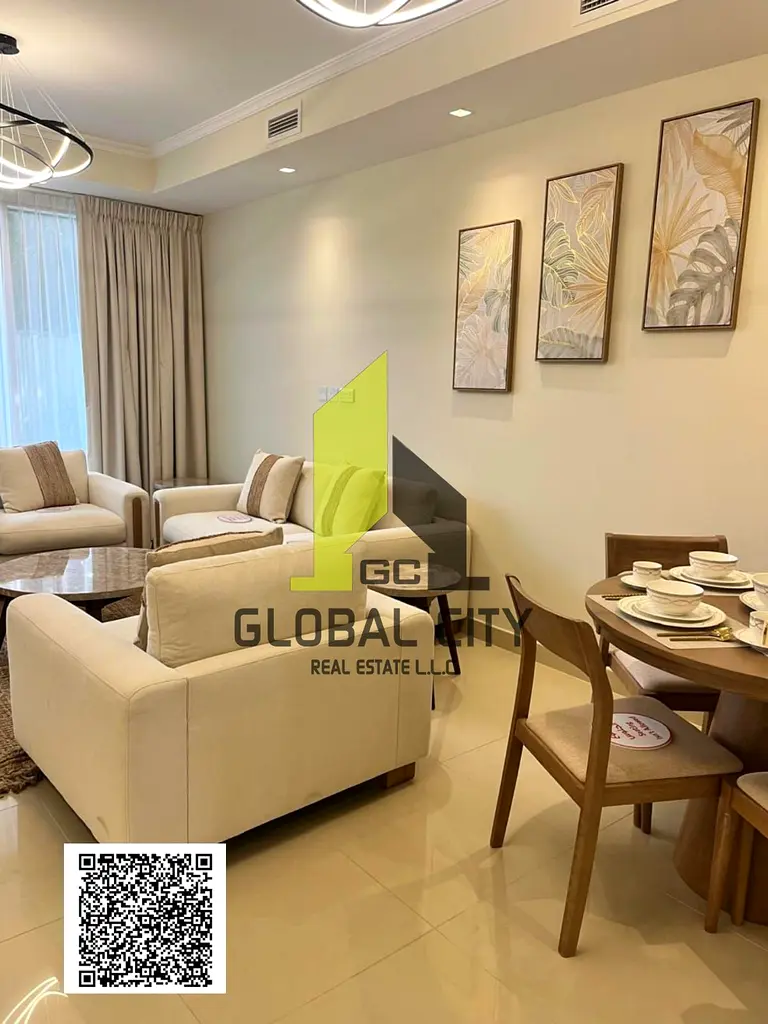
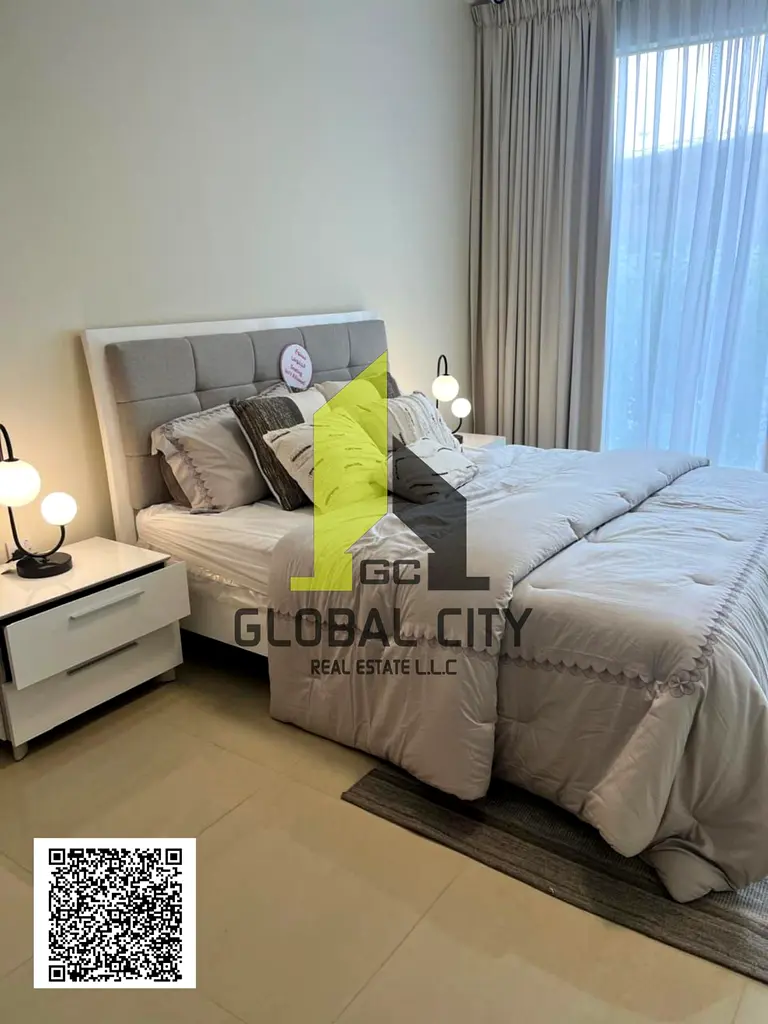

1 / 9
AED
665,000
Est. Payment AED 0/mo

1 bed

2 baths

1,300 sqft

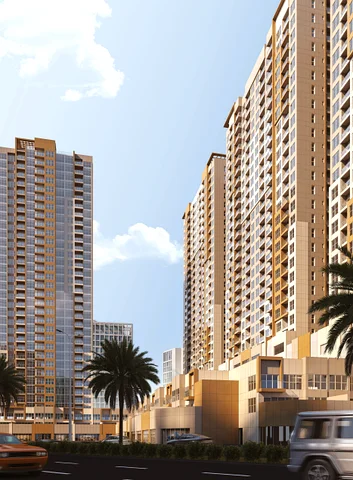
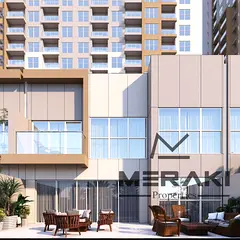
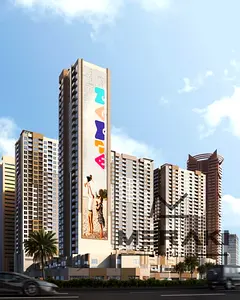
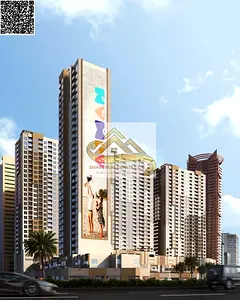
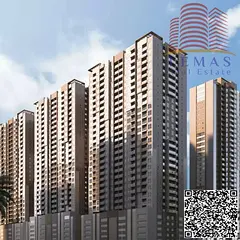
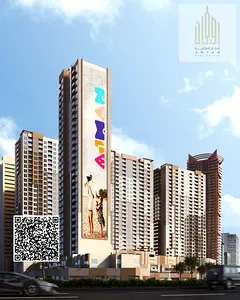
Ajman One Phase 2, Al Rashidiya 3, Al Rashidiya, Ajman, UAE
“Population Growth and Development in Ajman: Phase 2”
Type
Apartment
Purpose
Sale
Furnishing
Unfurnished
Updated
23rd April 2026
Completion Status
Off-Plan
Handover
Q4 2026
Developer
Aqaar Developments
Project Name
Ajman One Phase 2
As Ajman enters Phase 2 of its urban and demographic expansion, population growth has accelerated into a defining policy challenge. What was once steady and manageable in the earlier phase has now intensified, placing increased pressure on governance systems, infrastructure, and long-term planning strategies. Phase 2 marks a shift from controlled development to rapid consolidation, where the consequences of earlier decisions are becoming more visible.
The emirate’s growing appeal—driven by relatively affordable housing, proximity to larger economic centers, and ongoing development projects—has made it a magnet for new residents. This influx is no longer gradual; it is sustained and fast-moving. As a result, policymakers are being forced to respond in real time, often balancing immediate needs with long-term sustainability. The challenge is no longer just accommodating growth, but directing it effectively.
Housing demand has surged sharply in this phase, becoming one of the most politically sensitive issues. While new developments continue to rise, concerns around affordability, density, and land use efficiency are becoming more pronounced. The question facing planners is not simply how to expand housing supply, but how to ensure that expansion aligns with broader social and economic goals.
Infrastructure systems in Ajman are also under increasing strain. Transport networks, healthcare facilities, and educational institutions are all experiencing heightened demand. In Phase 2, the margin for reactive planning has narrowed. Delays or gaps in infrastructure delivery are more noticeable and can quickly impact quality of life. This places pressure on authorities to accelerate projects while maintaining standards and coordination.
Socially, the population increase is reshaping community dynamics. A more diverse and dense population brings both opportunities and governance complexities. Ensuring equal access to services, maintaining social cohesion, and addressing emerging inequalities are now central to the policy agenda. These challenges require more nuanced and inclusive approaches than in earlier phases of growth.
From an economic perspective, the rising population offers clear advantages, including a larger workforce and increased market activity. However, if job creation and economic diversification do not keep pace, the risks of underemployment and economic imbalance grow. This highlights the importance of integrated planning, where population trends are closely linked with economic policy.
Ultimately, Phase 2 in Ajman represents a critical turning point. The pace of population growth has reduced the tolerance for policy delays and inefficiencies. Decisions made during this phase will have lasting impacts on the emirate’s development trajectory.
The key question now is whether governance can evolve as quickly as the population it serves. If successful, Ajman can transform this surge into a foundation for sustainable growth. If not, Phase 2 risks becoming a period defined by mounting pressure and missed opportunities.
The emirate’s growing appeal—driven by relatively affordable housing, proximity to larger economic centers, and ongoing development projects—has made it a magnet for new residents. This influx is no longer gradual; it is sustained and fast-moving. As a result, policymakers are being forced to respond in real time, often balancing immediate needs with long-term sustainability. The challenge is no longer just accommodating growth, but directing it effectively.
Housing demand has surged sharply in this phase, becoming one of the most politically sensitive issues. While new developments continue to rise, concerns around affordability, density, and land use efficiency are becoming more pronounced. The question facing planners is not simply how to expand housing supply, but how to ensure that expansion aligns with broader social and economic goals.
Infrastructure systems in Ajman are also under increasing strain. Transport networks, healthcare facilities, and educational institutions are all experiencing heightened demand. In Phase 2, the margin for reactive planning has narrowed. Delays or gaps in infrastructure delivery are more noticeable and can quickly impact quality of life. This places pressure on authorities to accelerate projects while maintaining standards and coordination.
Socially, the population increase is reshaping community dynamics. A more diverse and dense population brings both opportunities and governance complexities. Ensuring equal access to services, maintaining social cohesion, and addressing emerging inequalities are now central to the policy agenda. These challenges require more nuanced and inclusive approaches than in earlier phases of growth.
From an economic perspective, the rising population offers clear advantages, including a larger workforce and increased market activity. However, if job creation and economic diversification do not keep pace, the risks of underemployment and economic imbalance grow. This highlights the importance of integrated planning, where population trends are closely linked with economic policy.
Ultimately, Phase 2 in Ajman represents a critical turning point. The pace of population growth has reduced the tolerance for policy delays and inefficiencies. Decisions made during this phase will have lasting impacts on the emirate’s development trajectory.
The key question now is whether governance can evolve as quickly as the population it serves. If successful, Ajman can transform this surge into a foundation for sustainable growth. If not, Phase 2 risks becoming a period defined by mounting pressure and missed opportunities.
Posted on: 11th April 2026
Amenities

Central A/C & Heating

Balcony
+23 More

Private Gym

Private Jacuzzi

Shared Pool

Shared Spa

Security

Double Glazed Windows

Day Care Center

Electricity Backup

First Aid Medical Center

Service Elevators

Laundry Room

Broadband Internet

Intercom

Kids Play Area

Maintenance Staff

CCTV Security

Cafeteria or Canteen

Facilities for Disabled

Cleaning Services

Barbeque Area

Lobby in Building

Waste Disposal
Project Information
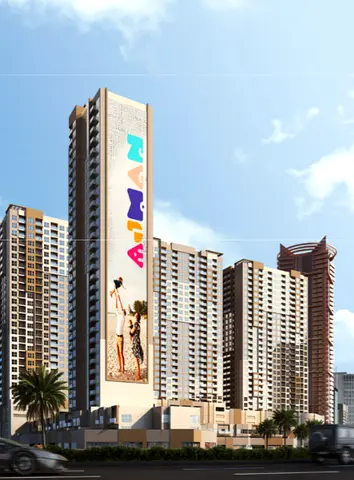
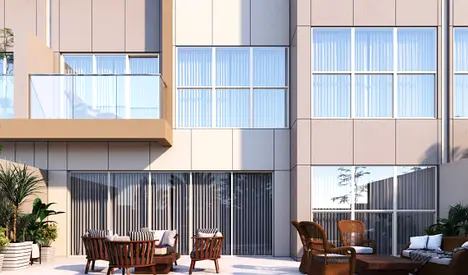

Mortgage Calculator
UAE Residency Status
AED
AED
%
Years
%
Monthly Payment
AED 0
Principal
AED 532,000
Interest
AED 0
Total Loan Amount
AED 0
0%100%
Interest
Principal
Map View
Ajman One Phase 2, Al Rashidiya 3, Al Rashidiya, Ajman, UAE

More Info
Reference ID
9870-tAEc6O


Similar Properties



- Accounting / Finance
- Automobile
- Beauty / Salon
- Cleaner / Housekeeper
- Construction
- Cook / Chef
- Customer Service / Call Centre
- Data Management & Analysis
- Design
- Driver / Delivery
- Education
- Engineering
- Event Management & Operations
- Handyman / Technician
- HR / Admin
- Information Technology
- Legal Services
- Logistics & Distribution
- Manufacturing / Warehouse
- Marine Captain / Crew
- Marketing / Advertising
- Media, Art & Entertainment
- Medical / Healthcare
- Real Estate
- Restaurant Operations
- Sales / Business Development
- Secretarial / Front Office
- Security / Guard
- Sports & Fitness
- Travel & Hospitality
- Others
- Jobs Wanted
- Electronics
- Computers & Networking
- Business & Industrial
- Home Appliances
- Sports Equipment
- Clothing & Accessories
- Cameras & Imaging
- Jewelry & Watches
- Pets
- Musical Instruments
- Gaming
- Baby Items
- Toys
- Tickets & Vouchers
- Collectibles
- Books
- Music
- Free Stuff
- Lost/Found
- DVDs & Movies
- Furniture, Home & Garden
- Mobile Phones & Tablets
العربية