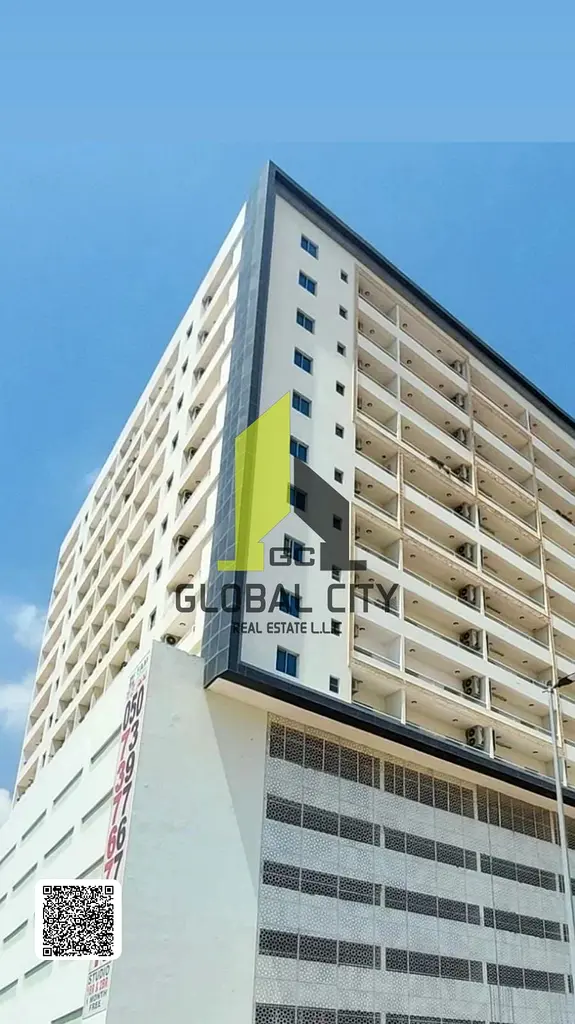
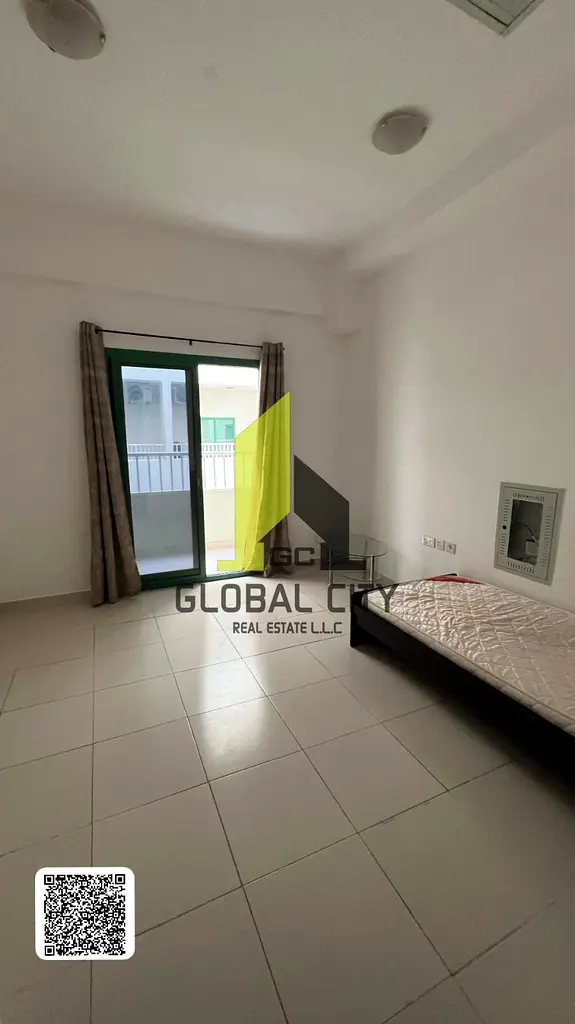

1 / 6
AED
225,000
Est. Payment AED 0/mo
Get Pre-Approved

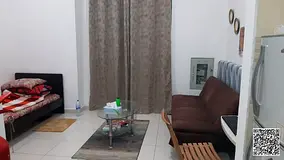
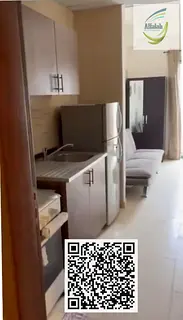
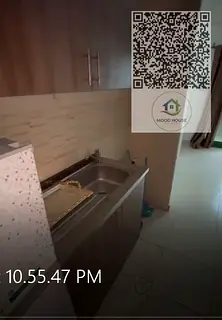
Studio

1 bath

400 sqft

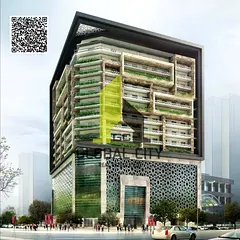
Smart Tower 1, Al Amerah, Ajman, UAE
“A tower that learns the rhythm of life.”
Type
Apartment
Purpose
Sale
Furnishing
Furnished
Average Rent
AED 19,132 Yearly

Updated
8th May 2026
Completion Status
Ready
With rapid urbanization and growing population density, traditional buildings are no longer sufficient to meet modern lifestyle, sustainability, and efficiency demands. A Smart Tower addresses these challenges by integrating advanced technology, intelligent systems, and sustainable design to create safer, more efficient, and future-ready living and working environments.
One of the primary needs for a smart tower is efficient energy management. Smart towers use automated lighting, HVAC systems, and energy monitoring tools to reduce power consumption and operational costs. By optimizing energy use and incorporating renewable sources such as solar power, smart towers contribute to environmental sustainability and lower carbon emissions.
Enhanced safety and security is another critical requirement. Smart towers are equipped with intelligent surveillance, access control systems, fire detection, and real-time emergency response technologies. These features ensure better protection for occupants while enabling faster and more coordinated responses during emergencies.
Smart towers also address the growing need for space optimization and operational efficiency. Intelligent building management systems monitor occupancy, maintenance needs, and resource usage, ensuring smoother operations and reduced downtime. Predictive maintenance helps extend the lifespan of building systems and reduces repair costs.
In today’s digital era, connectivity and convenience are essential. Smart towers provide high-speed internet infrastructure, smart elevators, automated parking, and app-based controls for lighting, climate, and services. This enhances user comfort, productivity, and overall quality of life.
Another important need is sustainability and environmental responsibility. Smart towers support water conservation through smart metering, rainwater harvesting, and efficient waste management systems. Green building practices improve air quality, reduce waste, and create healthier indoor environments.
Smart towers are also essential for future readiness. As cities evolve into smart cities, buildings must be capable of adapting to new technologies such as AI, IoT, and data-driven management systems. Smart towers are designed to integrate future upgrades without major structural changes.
In summary, the need for smart towers arises from the demand for sustainable development, enhanced safety, efficient resource management, and improved user experience. They represent a forward-looking solution that aligns modern living with technological innovation and environmental stewardship.
One of the primary needs for a smart tower is efficient energy management. Smart towers use automated lighting, HVAC systems, and energy monitoring tools to reduce power consumption and operational costs. By optimizing energy use and incorporating renewable sources such as solar power, smart towers contribute to environmental sustainability and lower carbon emissions.
Enhanced safety and security is another critical requirement. Smart towers are equipped with intelligent surveillance, access control systems, fire detection, and real-time emergency response technologies. These features ensure better protection for occupants while enabling faster and more coordinated responses during emergencies.
Smart towers also address the growing need for space optimization and operational efficiency. Intelligent building management systems monitor occupancy, maintenance needs, and resource usage, ensuring smoother operations and reduced downtime. Predictive maintenance helps extend the lifespan of building systems and reduces repair costs.
In today’s digital era, connectivity and convenience are essential. Smart towers provide high-speed internet infrastructure, smart elevators, automated parking, and app-based controls for lighting, climate, and services. This enhances user comfort, productivity, and overall quality of life.
Another important need is sustainability and environmental responsibility. Smart towers support water conservation through smart metering, rainwater harvesting, and efficient waste management systems. Green building practices improve air quality, reduce waste, and create healthier indoor environments.
Smart towers are also essential for future readiness. As cities evolve into smart cities, buildings must be capable of adapting to new technologies such as AI, IoT, and data-driven management systems. Smart towers are designed to integrate future upgrades without major structural changes.
In summary, the need for smart towers arises from the demand for sustainable development, enhanced safety, efficient resource management, and improved user experience. They represent a forward-looking solution that aligns modern living with technological innovation and environmental stewardship.
Posted on: 20th January 2026
Amenities

Central A/C & Heating

Balcony
+18 More

Private Gym

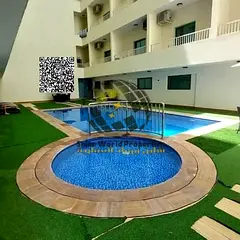
Shared Pool

Security

Double Glazed Windows

Day Care Center

First Aid Medical Center

Laundry Room

Broadband Internet

Intercom

Kids Play Area

Maintenance Staff

CCTV Security

Cafeteria or Canteen

Facilities for Disabled

Cleaning Services

Lobby in Building

Waste Disposal
Mortgage Calculator
UAE Residency Status
AED
AED
%
Years
%
Monthly Payment
AED 0
Map View
Smart Tower 1, Al Amerah, Ajman, UAE

More Info
Reference ID
9870-XzOdFd


Similar Properties


- Accounting / Finance
- Automobile
- Beauty / Salon
- Cleaner / Housekeeper
- Construction
- Cook / Chef
- Customer Service / Call Centre
- Data Management & Analysis
- Design
- Driver / Delivery
- Education
- Engineering
- Event Management & Operations
- Handyman / Technician
- HR / Admin
- Information Technology
- Legal Services
- Logistics & Distribution
- Manufacturing / Warehouse
- Marine Captain / Crew
- Marketing / Advertising
- Media, Art & Entertainment
- Medical / Healthcare
- Real Estate
- Restaurant Operations
- Sales / Business Development
- Secretarial / Front Office
- Security / Guard
- Sports & Fitness
- Travel & Hospitality
- Others
- Jobs Wanted
- Electronics
- Computers & Networking
- Business & Industrial
- Home Appliances
- Sports Equipment
- Clothing & Accessories
- Cameras & Imaging
- Jewelry & Watches
- Pets
- Musical Instruments
- Gaming
- Baby Items
- Toys
- Tickets & Vouchers
- Collectibles
- Books
- Music
- Free Stuff
- Lost/Found
- DVDs & Movies
- Furniture, Home & Garden
- Mobile Phones & Tablets
العربية